

Exploring the psychology behind casino gaming Why do we play
The Allure of Chance
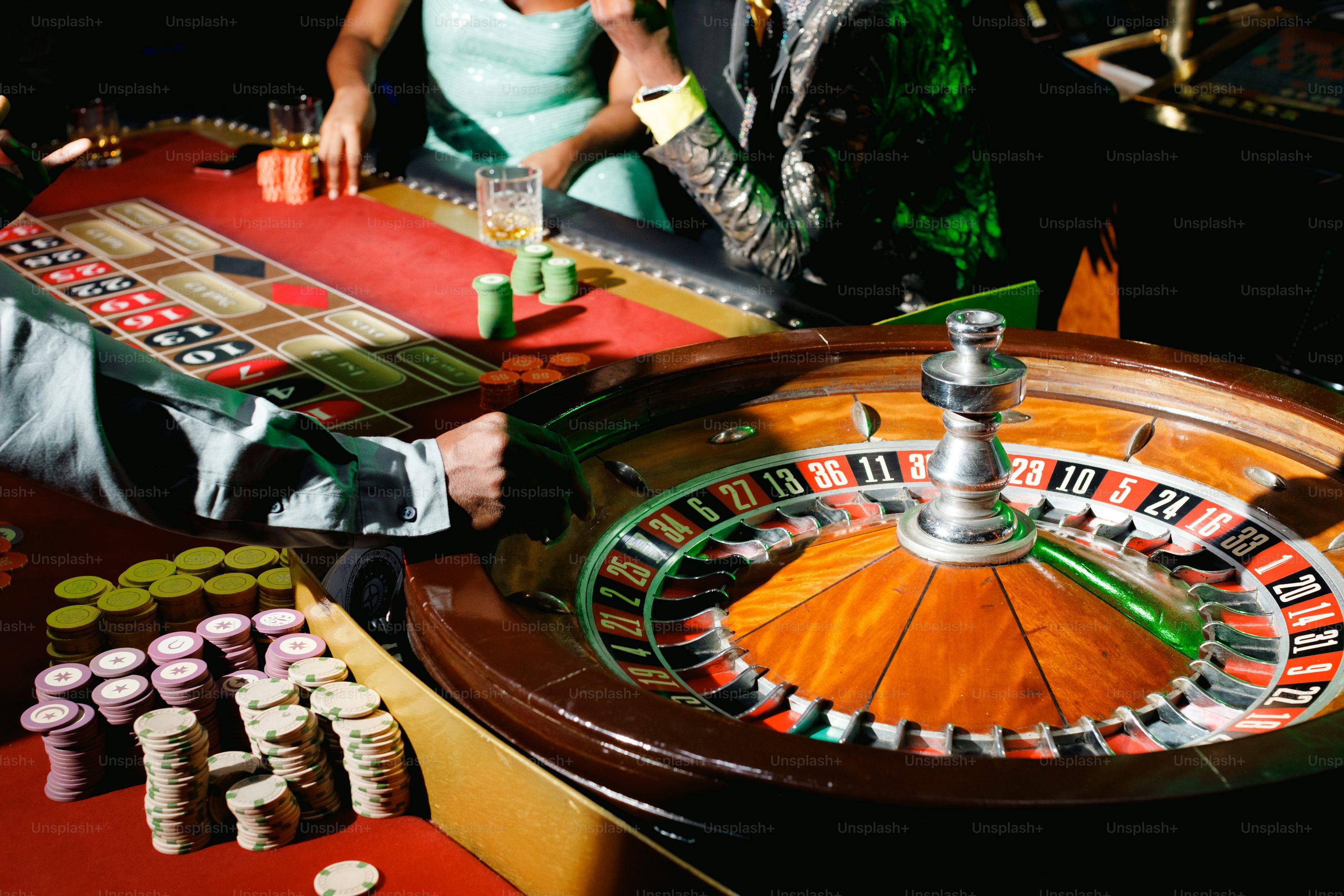
The thrill of uncertainty plays a significant role in why individuals are drawn to casino gaming. The unpredictable nature of games like roulette or slot machines creates an adrenaline rush that can be addictive. This excitement stems from the brain’s release of dopamine, a neurotransmitter linked with pleasure and reward. When players experience wins, however small, it reinforces their behavior, making them more likely to return for another chance at victory. Many people also seek out the best sport betting sites to complement their gaming adventures.

Moreover, the concept of risk versus reward captivates many players. The possibility of hitting a jackpot or experiencing a big win often outweighs the knowledge of potential losses. This interplay between hope and risk keeps players engaged, fueling their desire to keep playing and exploring their limits.
The Role of Social Interaction
Casino gaming is not solely an individual pursuit; it often encompasses social components that enhance the experience. Many people enjoy playing games with friends or strangers, creating a sense of camaraderie and shared excitement. Elements like cheering for a friend during a game or participating in group activities can foster connections that are rewarding beyond the monetary aspect.
Additionally, casinos are designed to be welcoming social environments, often complete with bars, restaurants, and entertainment options. These attributes encourage players to spend time in the casino beyond mere gameplay, enhancing the overall experience and encouraging return visits fueled by social interaction.
The Influence of Environment
The casino environment itself is meticulously crafted to keep players engaged and coming back for more. Bright lights, vibrant colors, and captivating sounds all contribute to an immersive experience that stimulates the senses. Designers strategically place games to ensure that players feel enticed to try their luck, often leading to prolonged stays within the gaming area.
Furthermore, the absence of clocks and windows in many casinos creates a disorienting effect, allowing players to lose track of time. This design tactic can lead to extended gaming sessions, as players remain absorbed in the activities around them, often disregarding their initial intentions or time limits.
The Psychological Mechanisms at Play
Various psychological mechanisms influence why individuals engage in casino gaming. Concepts such as variable reinforcement play a crucial role in maintaining interest. Unlike games with fixed rewards, the unpredictable nature of wins in casino games keeps players uncertain and engaged, as they anticipate the next potential payoff.
Additionally, the phenomenon of “loss aversion” explains why players often continue to gamble even after experiencing losses. The fear of losing the initial investment can drive individuals to chase their losses, leading to a cycle that keeps them returning to the tables in hopes of recouping their funds.
The Importance of Security in Online Gaming
As online casino gaming continues to gain popularity, ensuring user safety and security has become paramount. Players often face access issues when interacting with platforms, which can lead to temporary blocks as security measures are implemented. It’s essential for users to understand the significance of these protocols in maintaining a safe gaming environment.
Additionally, reaching out to website owners with relevant details can help resolve access issues swiftly. Trusted platforms prioritize the protection of their users’ data and ensure that their browsing experience remains secure while providing entertainment. This focus on safety helps build trust, encouraging players to engage confidently in online casino gaming.
